Natural Resources


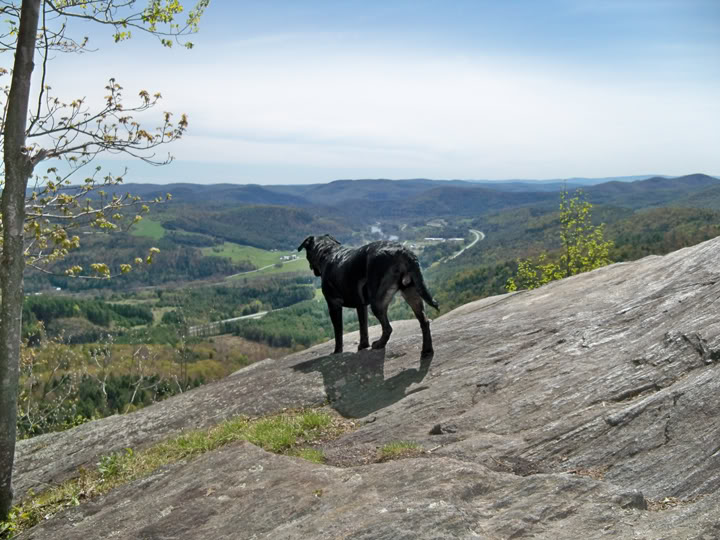
Yesterday my family and I hiked up to the top of Big Deer Mountain in Vermont’s New Discovery State Park (which is in Groton State Forest), followed by swimming at Boulder Beach.  I’d highly recommend the hike for kids; mostly flat and dry followed by a fun uphill rock climb.

State Parks are a fantastic resource.  My Natural Resources Law course includes a lot of discussion about National Parks, and we have an annual field trip to Marsh-Billings-Rockefeller National Historic Park in Woodstock, Vermont (the only national park devoted to America’s conservation history).  But this year, I’m going to spend some time on the development of state parks, and how states have determined how to best protect these resources and for what purposes.
I was a law clerk at the Wisconsin Department of Natural Resources (WDNR) right after the U.S. Supreme Court decided the case U.S. Army Corps of Engineers v. Solid Waste Agency of Northern Cook County (known as SWANCC).  In an interpretation of the Clean Water Act, the case stripped the federal government of its jurisdiction over many wetlands in the United States, leaving them subject to development and fill.  Wisconsin decided to assert state jurisdiction over these wetlands no longer subject to federal jurisdiction, and I helped to play a role drafting the administrative code that implemented the new Wisconsin Statute (2001 WI Act 6).

While Wisonsin has had a fairly progressive tradition in protecting wetlands, the struggle has been in getting other states to protect wetlands.  (See this article.)  My former colleague at WDNR just sent me info on a program from the Wisconsin Wetland Association that seeks to raise awareness about the importance of wetlands.  Called “Wetlands Gems,” they’ve published an awesome book that beautifully identifies and describes that best wetlands in Wisconsin.  I think other states would be smart to compile similar books.

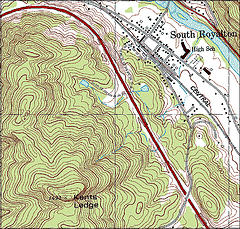
Perhaps one of the best things about being a faculty member at Vermont Law School is my weekly afternoon hike to Kent’s Ledge.   Without ever needing to get in a car, I walk directly from my office to the top of Kent’s Ledge.  It’s about 1.5-2 hours roundtrip.

I’ve started reading “Slow Food Nation: Why Our Food Should be Good, Clean, and Fair” by Carlo Pertrini.  In the Forward by Alice Waters, she writes, “We soon discovered that the best-tasting food came from local farmers, ranchers, and foragers, and fisherman who were committed to should in sustainable practices.”

More most be done to promote a local organic food system.  I am working on an article now discussing how law both impedes and can help facilitate such a market.  Not only does local chem-free food taste better, but it limits the environmental costs of food consumption.

Food choices can contribute to the climate crisis, cause species loss, impair water and air quality, and accelerate land use degradation.   For example, an estimated 25 percent of the emissions produced by people in industrialized nations can be traced to the food they eat.   The causes of these environmental costs are many—the livestock industry, a processed and meat-heavy diet, agricultural practices like pesticides and fertilization, and fossil-fuel intensive food transportation, factory processing, packaging and large-scale distribution systems.  These are traits of the dominant industrial food model.

In today’s Huffington Post, Vermont Law School Professor Jackie Gardina talked about BP and the threat of bankruptcy. See http://www.huffingtonpost.com/christopher-weber/why-the-gm-and-chrysler-b_b_648414.html.

The concern is that once a company files for bankruptcy, it may not longer be accountable for cleanup costs.  She argues to close this loophole Congress and the President must act to do such things as gain a security interest on BP’s property.

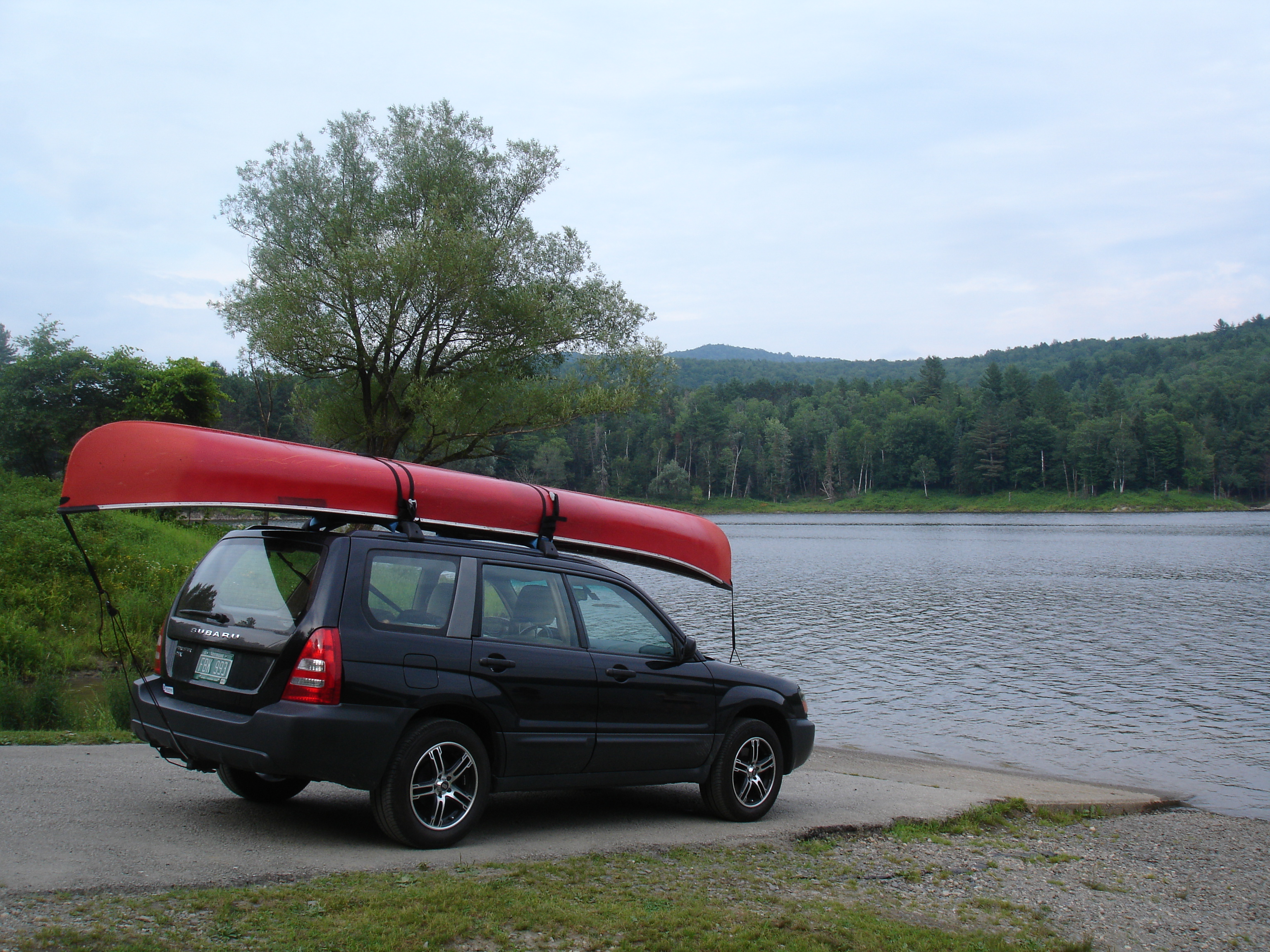
In classic Vermont fashion, today we went to Wrightsville Reservoir with our new-to-us canoe and our new-to-us Subaru.  There has been much debate in Vermont of late about appropriate recreational uses for man-made reservoirs and ponds, especially if they are used as a source of drinking water.  Wrightsville has a no wake and swimming area which we paddled through, but the jet ski that arrived on the boat launch just as we were finishing really lessened our experience.  While allowed on that part of the reservoir, the noise, exhaust and smell were quite terrible.

Another fantastic reservoir in Vermont is Green River Reservoir State Park where you canoe into your campsite.  Power boats are banned and the shoreline is completely undeveloped.  “The Green River Reservoir is a 5,113 acre park including a 653 acre Reservoir with 19 miles of shoreline, which is the longest stretch of undeveloped shoreline in Vermont,” according to the Friends of the Green River.

Photo: Our Subaru and canoe on the Wrightsville Reservoir Boat Launch.

« Previous Page